
You’ve probably experienced temporary ringing in your ears for several hours after being in a noisy stadium, attending a loud concert or a nightclub, or after discharging a firearm without hearing protection.
In fact, approximately 50 million Americans experience either temporary or ongoing tinnitus symptoms annually, making it one of our country’s most common health complaints.
Although most cases of ringing in the ears goes away, about 12.5 million Americans experience ongoing or chronic ringing in their ears that never goes away, threatening their quality of life and interrupting their lifestyle.
If you struggle to relax, fall asleep, or stay focused on a task because of the constant ringing in your ears, then you’re eager for answers to questions such as:
Why is my tinnitus worse in a quiet room?
How can I relax or get a decent night’s sleep with this constant ringing in my ears?
How am I supposed to focus on certain tasks when my tinnitus is so overwhelming?
Is there anything I can do to get rid of this ringing in my ears?
Professional Tinnitus
If you’re experiencing ongoing ringing in your ears, contact our expert audiologists for a tinnitus evaluation that will lay the groundwork for your personalized tinnitus management program.
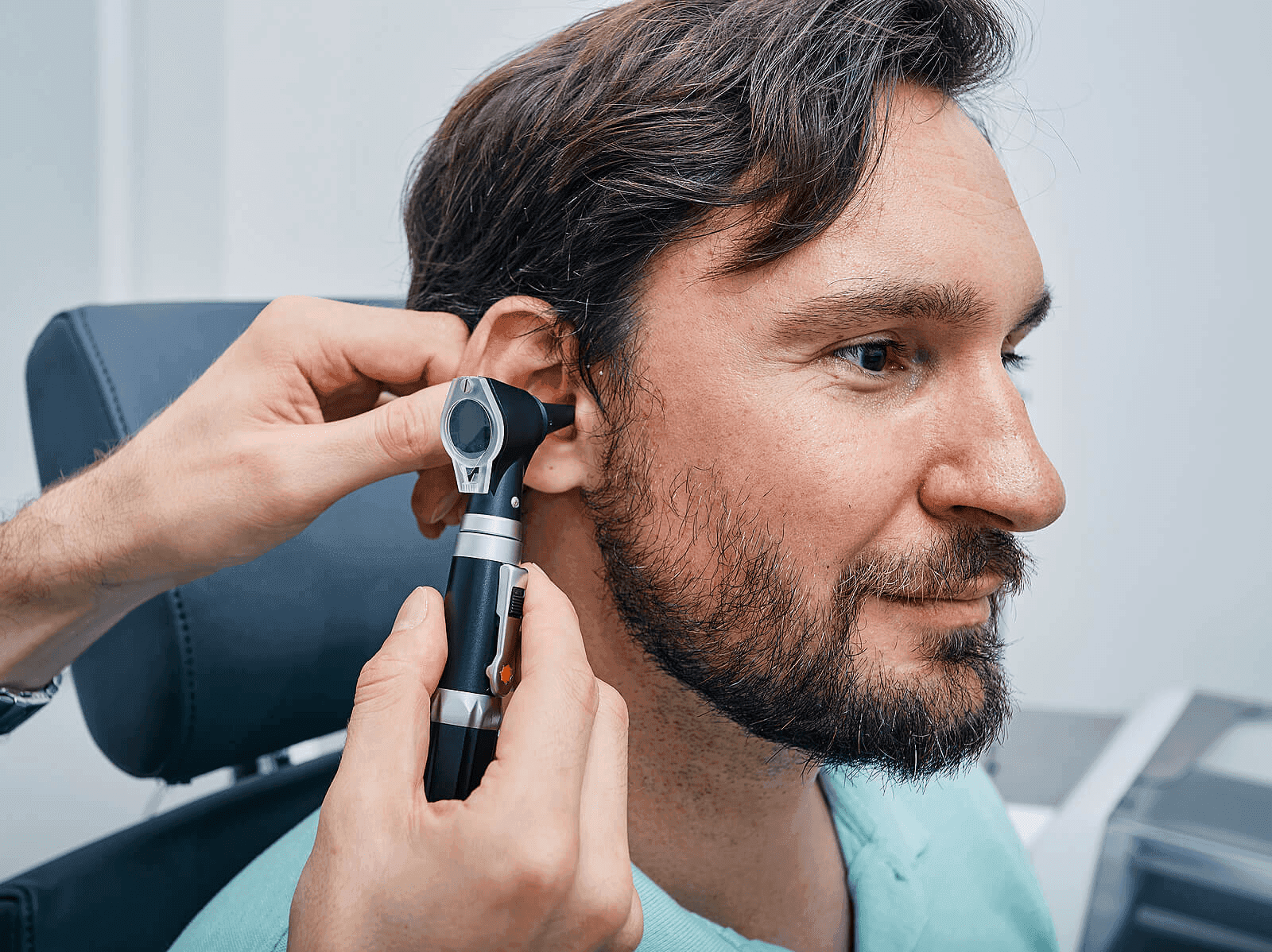
During a tinnitus assessment we are working to pinpoint your unique type of tinnitus and its intensity with various tests that may include:
Medical History
Questions regarding your condition, medications you’re taking, your medical conditions, recent or ongoing exposure to loud noise, and other tinnitus producing factors
Hearing Assessment
A complete hearing evaluation to determine if your condition includes hearing loss
Identifying the Problem
Zeroing in on the loudness and pitch of your symptoms
Additional tests by an ENT specialist may be necessary to rule out suspected vestibular or vascular medical conditions that often produce ringing in the ears.
Solutions in Magnolia
Professional Tinnitus
Following your tinnitus evaluation, your tinnitus specialist will develop a customized tinnitus management plan that is able to deliver effective relief from ringing in the ears.
We’re eager to provide the help you need. The right solution to the ringing in your ears can be a challenge, so we may have to make use of a variety of techniques and combinations of therapies to produce the results you desire by using any or several scientifically proven technologies and techniques, such as:
Hearing Aids
When combined with hearing loss, changes to the set-up of hearing aids can help to combat the effects of tinnitus
Secondary Treatments
Sound maskers and other tinnitus treatment technology to reduce sound awareness
Tinnitus Retraining Therapy (TRT)
TRT applies coping strategies and rehabituation techniques to reduce the impact of tinnitus on your quality of life
While hearing aids for those with a hearing loss and sound masking meet the needs of some, others require a more extensive, holistic approach to restoring tranquility through tinnitus therapy.
Often called habituation therapy, TRT involves retraining your brain to perceive the sounds of tinnitus differently, while also addressing emotional challenges such as depression, stress, or anger that can exacerbate your condition by using this cognitive behavioral therapy (CBT) approach.
Your tinnitus therapy options in Magnolia and Seattle include any and all of the technologies and therapeutic techniques necessary to address your specific condition, which could include helping you manage health problems, ototoxic medications, and lifestyle choices that can exacerbate your symptoms as well as hearing aids when called for.
Frequently Ask Questions about Tinnitus
What is tinnitus?
Each person experiences tinnitus symptoms differently, but generally speaking, all hear a sound that does not exist. The sounds are generated somewhere along the auditory pathway or within the auditory processing center of the brain. Tinnitus is a symptom of a neurological disorder similar to the “phantom limb” phenomenon experienced by some amputees. The tone can be continuous or pulsating, can sound like ringing in the ears as well as whirring, clicking, buzzing, or whooshing.
Are there different types of ringing in the ears?
What causes tinnitus?
What should I expect during a ringing in the ears evaluation?
Can ringing in the ears be a symptom of an underlying health issue?
What tinnitus treatment options are available?
Can ringing in the ears be cured, or is management the primary goal?
Do you provide counseling or support for coping with ringing in the ears?
Are there lifestyle changes that can help alleviate ringing in the ears symptoms?
Is there a connection between hearing loss and ringing in the ears?