Why Seattle Audiologists Are Seeing More People With Hearing Loss in Their 40s and 50s (And What We're Doing About It
Wednesday, January 21, 2026
|
2 min read
Patient Resources
Over my years practicing audiology in Seattle, I've noticed a troubling shift. It’s no longer just retirees walking through our doors with hearing concerns. Increasingly, we see people in their 40s and 50s, professionals in the prime of their careers who never expected to be dealing with hearing loss at this age.
This isn't just my clinical observation. The data backs it up, and the reasons why are both surprising and deeply connected to the modern Seattle lifestyle.
From our tech-centric work culture to the way we've been using personal audio devices for decades, Generation X and older Millennials are facing hearing challenges earlier than any generation before them.
As audiologists who live and work in this community, we're on the front lines of this trend. And while the statistics are concerning, there's also real reason for hope.
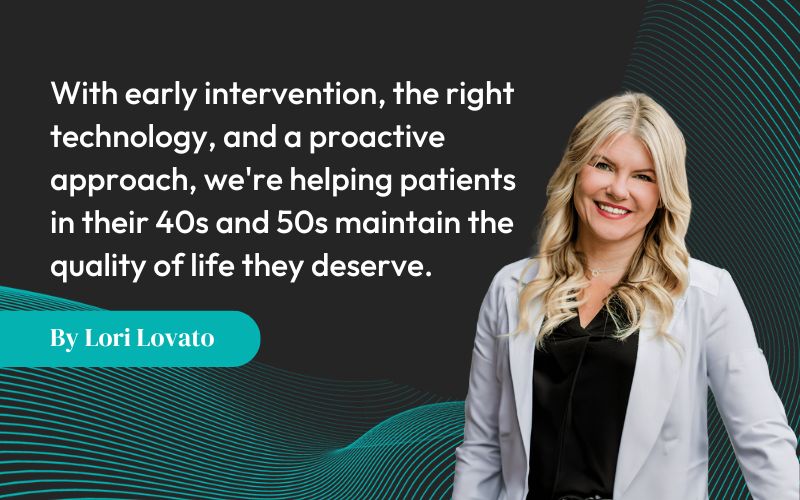
With early intervention, the right technology, and a proactive approach, we're helping patients in their 40s and 50s maintain the quality of life they deserve.
The Numbers: Hearing Loss Is Affecting Middle Age More Than Ever
Let's start with the facts. According to research published in ConsumerAffairs, nearly 29 percent of American adults in their 50s suffer from some hearing loss in one or both ears. That's almost one in three people.
But the trend actually starts earlier. National Institute on Deafness and Other Communication Disorders data shows that among adults ages 20 to 69, men are almost twice as likely as women to have hearing loss. This gender gap is most pronounced in middle age, where men in their 50s are three times more likely than women to experience hearing loss.
Even more striking: People's hearing, especially at higher frequencies, starts declining more quickly once they reach their 40s. These higher frequencies are crucial for understanding speech, particularly in noisy environments like restaurants, meetings, or social gatherings.
Why Seattle? Our Unique Risk Factors
While these trends affect people nationwide, Seattle presents some unique risk factors that we're seeing play out in our patient population.
The Tech Worker Reality: Decades of Headphone Use
Seattle's identity is deeply intertwined with the tech industry. From Amazon and Microsoft to countless startups, our economy runs on knowledge workers who spend their days on video calls, listening to music while coding, or participating in virtual meetings.
Here's the problem: These workers have been using headphones and earbuds intensively for 20-30 years now. Many of our patients in their 40s and 50s were early adopters of personal audio technology. They used Walkmans and Discmans in the ’90s and iPods in the 2000s, and they’ve been in back-to-back Zoom meetings since 2020.
According to experts at AdventHealth, listening through headphones and earbuds at high volumes for extended periods can result in lasting hearing loss. Earbuds connected to an iPhone on its highest volume setting can reach up to 100 decibels, which is well above the 85-decibel threshold where hearing damage begins.
A particularly telling study from Cincinnati Children's Hospital found that over half of 20-somethings had trouble hearing speech in noisy environments, a key indicator of extended high-frequency hearing loss.
As these young adults begin to enter their 40s, that cumulative damage becomes clinically significant.
Occupational Noise: Beyond the Tech Industry
While tech workers face hearing risks from prolonged headphone use, Seattle's diverse economy includes many industries with traditional occupational noise exposure.
The CDC estimates that 22 million workers are exposed to potentially damaging noise at work each year. In the Seattle area, this includes:
Construction and Maritime Workers: Seattle's ongoing construction boom and active port mean thousands of workers are exposed daily to noise levels exceeding 85 decibels (dBA). According to OSHA standards, noise at or above 85 dBA, averaged over an eight-hour workday, puts workers at risk.
Boeing and Aerospace: Manufacturing facilities expose workers to machinery noise that, without proper protection, can cause irreversible hearing damage over time.
Service Industry: Restaurant kitchens, bars, and coffee shops (Seattle has more coffee shops per capita than almost any US city) create consistently noisy environments where staff work long shifts.
Research from the University of Washington's Department of Environmental and Occupational Health Sciences found that 50 percent of monitored employees had full-shift average exposures of 85 dBA or higher, with 74 percent exceeding safe thresholds when measured using stricter parameters.
The Commuter Culture Factor
Seattle's notoriously challenging traffic patterns mean many residents spend an hour or more each day commuting. What are most people doing during that time? Listening to podcasts, music, or audiobooks through earbuds or car speakers turned up to compete with road noise.
This daily pattern adds another layer of cumulative noise exposure that many people don't even consider.
Pacific Northwest Lifestyle
The irony isn't lost on us: Seattle's emphasis on outdoor recreation and active lifestyles has some unexpected hearing implications. Power tools for weekend projects, lawn equipment, motorcycles for mountain rides, and even loud sporting events at Lumen Field or Climate Pledge Arena all contribute to noise exposure.
The Science: Why Cumulative Exposure Matters
Here's what makes hearing loss in your 40s and 50s particularly insidious: It's cumulative and often irreversible.
Noise-induced hearing loss occurs when sound damages the delicate hair cells in the inner ear. But these hair cells don't regenerate like other cells in our bodies; once they're damaged or destroyed, that hearing loss is permanent.
The World Health Organization estimates that over one billion young people are at risk of hearing loss due to unsafe listening habits. As these individuals enter their 40s and 50s, the decades of exposure are catching up with them.
The damage typically follows a predictable pattern. High-frequency hearing loss occurs first, which is why many patients tell us they can hear people talking but struggle to understand what's being said, especially when there's background noise. Women's and children's voices become harder to understand. Consonants like S, F, and TH get lost.
What We're Seeing in Our Seattle Practice
In my practice at Magnolia Hearing, our patients in their 40s and 50s often present with similar stories:
"I thought I was just tired or not paying attention."
"My spouse keeps saying I need to get my hearing checked, but I'm too young for hearing aids."
"I'm fine in quiet rooms, but restaurants are impossible."
"I've been turning up the TV, and my family is complaining."
The most common pattern? High-frequency hearing loss that's been developing gradually over years, often without the patient realizing it. By the time someone comes in for testing, they've usually been compensating for their hearing loss for five to seven years.
The Real Impact on Quality of Life
For people in their 40s and 50s, untreated hearing loss isn't just an inconvenience. It affects numerous aspects of life.
Career Performance: Missing details in meetings, struggling with conference calls, or asking for repeated clarification can impact professional reputation and advancement.
Relationships: Constantly asking your partner or children to repeat themselves creates frustration and emotional distance.
Social Life: Avoiding restaurants, parties, or group gatherings because they're too difficult to navigate leads to isolation.
Mental Health: Research shows a strong connection between untreated hearing loss and increased risk of depression, anxiety, and cognitive decline.
Safety: Not being able to hear alarms, warning signals, or approaching vehicles poses real risks.
The Good News: Modern Solutions Are Revolutionary
Here's where the story gets hopeful. The hearing technology available today is light-years beyond what existed even five years ago. For patients in their 40s and 50s, modern hearing aids offer features specifically designed for their lifestyle.
Connectivity and Convenience
Modern hearing aids connect directly to smartphones, tablets, and computers. You can stream phone calls, Zoom meetings, music, and podcasts directly to your hearing aids with crystal-clear quality. For Seattle's tech-savvy professionals, this means better hearing in exactly the situations where they need it most.
Discreet and Powerful
The clunky, visible hearing aids of previous generations are gone. Today's devices are small, sleek, and often invisible. Many of our patients tell us their colleagues and friends never notice they're wearing them.
Rechargeable Technology
No more fumbling with tiny batteries. Modern hearing aids charge overnight just like your phone, making them perfect for busy professionals.
Smart Features
Advanced noise reduction, directional microphones, and AI-powered sound processing help you hear conversations in noisy restaurants, filter out wind noise during outdoor activities, and automatically adjust to different environments.
Teleaudiology Support
At Magnolia Hearing, we offer teleaudiology services that allow for remote adjustments and support, perfect for busy schedules.
What You Can Do Right Now
If you're in your 40s or 50s and recognizing yourself in this article, here are concrete steps you can take:
1. Get a Baseline Hearing Assessment
Even if you don't think you have hearing loss, establishing a baseline now allows us to track any changes over time. Our comprehensive hearing assessments take 90-120 minutes and give you a complete picture of your hearing health.
Early detection is crucial. The sooner we identify hearing loss, the more options you have and the better the outcomes.
2. Practice Safe Listening Habits
The 60/60 Rule: Listen at no more than 60 percent of maximum volume, and for no more than 60 minutes at a time.
Use Noise-Canceling Headphones: They allow you to hear clearly at lower volumes by blocking out background noise.
Take Listening Breaks: Give your ears rest throughout the day, especially if you're on back-to-back video calls.
Monitor Volume Settings: Many smartphones now have features that alert you when volume levels are unsafe. Use them.
3. Protect Your Ears
At Work: If you work in a noisy environment, use appropriate hearing protection. OSHA requires employers to provide hearing protection when noise levels exceed 85 dBA.
During Recreation: Wear earplugs at concerts, sporting events, or when using power tools. Modern custom earplugs can reduce harmful noise levels while still allowing you to enjoy music or conversations.
In Loud Restaurants: Don't be afraid to ask for a quieter table away from kitchens or speakers.
4. Address It Early
The research is clear: The longer hearing loss goes untreated, the harder it becomes to adapt to hearing aids. The brain actually loses some of its ability to process sounds when it's not receiving adequate auditory input.
Patients who address hearing loss early almost always do better with hearing aids than those who wait years. They adapt faster, report higher satisfaction, and maintain better quality of life.
Breaking Through the Stigma
One of the biggest barriers we encounter is the stigma around hearing aids in middle age. Many patients tell us, "I'm too young for hearing aids" or "Hearing aids are for old people."
But here's the reality: 29 percent of people in their 50s have hearing loss. It's not unusual. It's not a sign of old age. It's often the result of living in a noisy world and using the technology that defines modern life.
Would you hesitate to wear glasses if you needed them to see clearly? Hearing aids are no different. They're tools that help you function at your best, maintain your relationships, excel in your career, and enjoy life fully.
Looking Forward: Prevention for the Next Generation
While we're helping our patients in their 40s and 50s address their hearing loss, we're also passionate about prevention for younger generations. The choices you make now about hearing protection will impact your hearing health 20 or 30 years from now.
If you have teenagers or young adults in your life, help them understand:
How to use personal audio devices safely
The importance of hearing protection at concerts and loud events
The cumulative nature of noise damage
The value of regular hearing tests
Take Action Today
If you're in your 40s or 50s and have noticed any changes in your hearing, or if you've been putting off getting your hearing checked, you don't have to wait until it becomes a bigger problem.
The technology exists today to help you hear better, communicate more effectively, and maintain your quality of life. The question isn't whether you can afford to address your hearing loss. It's whether you can afford not to.
At Magnolia Hearing, we've helped hundreds of Seattle-area professionals, parents, and active adults in their 40s, 50s, and beyond reclaim their hearing and their confidence. We'd be honored to help you too.
Frequently Asked Questions (FAQ)
Q: How do early-life hearing challenges impact language development and social skills into adulthood, and what interventions can help mitigate long-term effects?
A: Hearing difficulties in infants and young children can significantly delay language acquisition, literacy, and the ability to form social connections.
Without early intervention, such as hearing aids, cochlear implants, or specialized speech therapy, these challenges can persist into adulthood, affecting academic achievement and self-esteem.
Early diagnosis and a tailored intervention plan are critical for minimizing these long-term impacts and supporting healthy social and cognitive development.
Q: What are the unique risks and warning signs of hearing loss in teenagers and young adults, especially in the context of modern technology and lifestyle choices?
A: Unlike older adults, teens and young adults are increasingly exposed to high-decibel environments: concerts, personal audio devices, and noisy social venues. This age group may dismiss early symptoms like tinnitus (ringing in the ears) or muffled hearing, leading to permanent damage.
Warning signs include frequently increasing device volume, asking others to repeat themselves, or struggling to follow conversations in noisy settings. Regular hearing check-ups and adopting safe listening habits are essential preventive measures.
Q: In older adults, how does untreated hearing loss contribute to cognitive decline and social isolation, and what steps can families take to encourage proactive hearing health?
A: Untreated hearing loss in seniors is closely linked to accelerated cognitive decline, increased risk of dementia, and heightened feelings of loneliness or depression.
Many older adults may resist seeking help due to stigma or denial. Families can play a pivotal role by encouraging regular hearing assessments, fostering open conversations about hearing health, and supporting the use of hearing aids or assistive devices.
Creating a supportive environment can dramatically improve quality of life and cognitive resilience.
Source
American Hearing: Hearing loss challenges are increasingly frequent in younger demographics thanks to personal device use in the digital age; find out more here!

Latest Articles
Search


Better Hearing Starts Here – Schedule Your Visit at Magnolia Hearing
Get the expert care you deserve at Magnolia Hearing. Whether you need a comprehensive hearing test, tinnitus treatment, or expert advice on hearing health, our experienced team is here to help.
We offer personalized solutions tailored to your unique needs, ensuring you get the best possible care. Take the first step toward better hearing—schedule your appointment today!
